Recognize the outage safely
The transfer method separates the home from the utility before generator power is connected. Its type and rating must match the designed system.

Automatic standby + generator service · Suffolk County
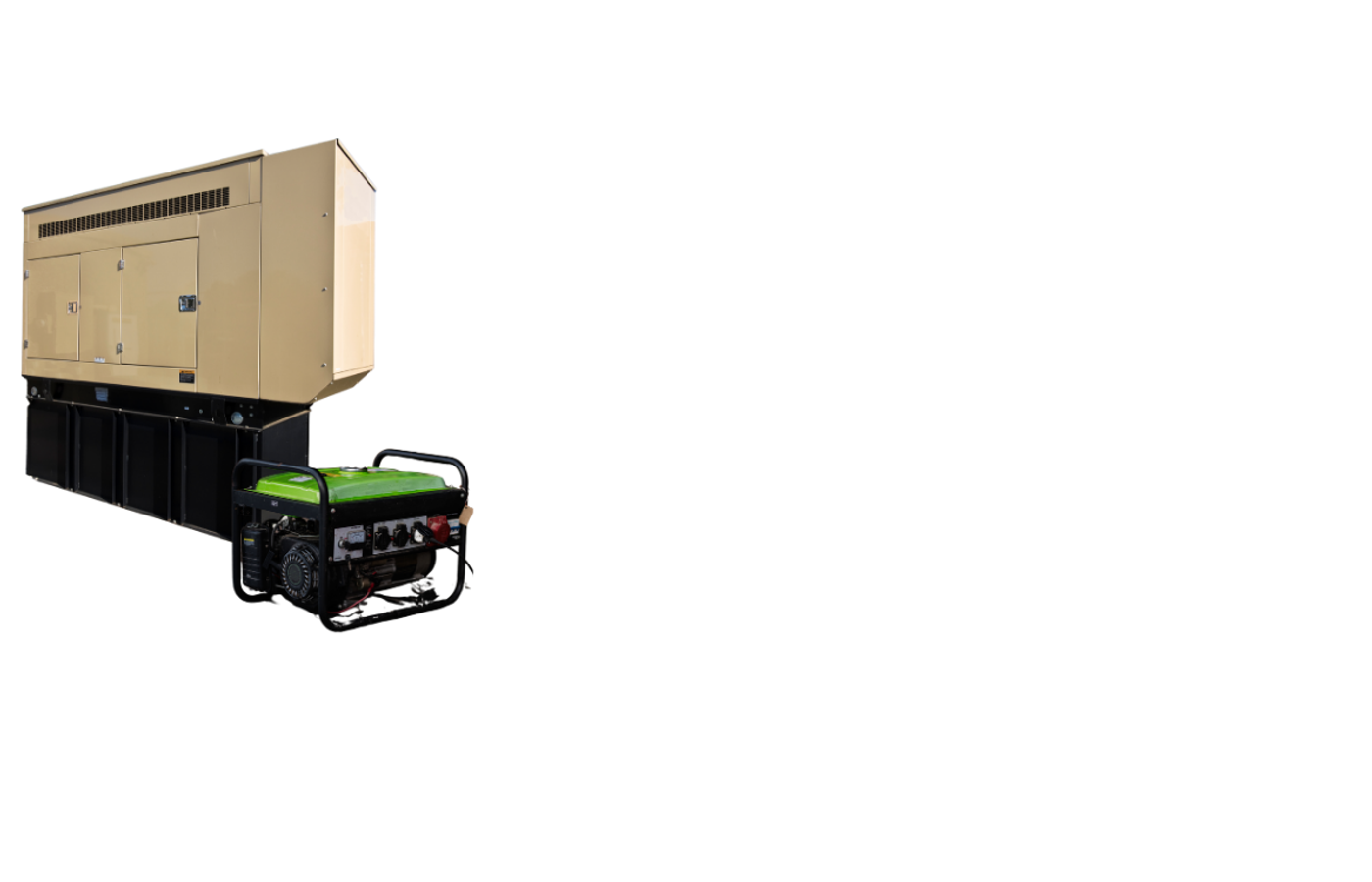 More than an engineGenerator · transfer · panel · selected loads
Start with the condition today
Backup power is a complete system
The transfer method separates the home from the utility before generator power is connected. Its type and rating must match the designed system.
Equipment selection, placement, fuel responsibility and manufacturer requirements are coordinated with the electrical design and applicable project team.
Heating, refrigeration, wells, medical needs and selected conveniences are prioritized before choosing essential-circuit, managed-load or broader backup strategies.
Maintenance and diagnosis are not the same visit
Review the generator and connection, complete the maintenance items included in the proposal, check battery and charging conditions, review controller history and verify exercise and transfer functions as scoped.
Investigate the actual symptom—failure to start, failure to transfer, abnormal exercise, active controller message or charging concern—before parts or corrective work are selected.
 The automatic standby path
New system planning
Identify heating, refrigeration, well or sump equipment, medical needs and the conveniences the homeowner expects during an outage.
Confirm the existing service, panel, calculated demand, large loads and whether load management belongs in the design.
Coordinate the selected equipment, manufacturer clearances, proposed location, fuel responsibility and route before work begins.
Select and arrange transfer equipment, essential-load distribution or managed-load controls around the actual home and generator rating.
Complete the defined conductors, protection, grounding, control wiring, disconnects, labels and equipment connections.
Verify operation within the scope, document settings and findings, review owner responsibilities and establish the maintenance path.
Portable generator safety
A portable generator must never be connected through a receptacle or other improvised backfeed arrangement. Seafield matches the inlet, listed interlock or transfer equipment, conductors, protection and generator rating to the panel and intended loads.
A faster first review
Maintenance prepares a normally operating generator through the inspection, consumables and tests included in the scope. A diagnostic visit investigates a fault, failure to start, failure to transfer, charging problem or other abnormal condition before parts or repairs are selected.
The interval follows the generator manufacturer's instructions, operating hours, environment and service history. Seasonal reviews can be useful, but the final schedule should match the installed equipment rather than a universal calendar.
No. An exercise cycle shows that the generator can start under those conditions. Transfer operation, selected loads, voltage, frequency and performance under an appropriate test require separate verification.
It means the controller is not presently ready to respond automatically to a utility outage. The cause may be a selected operating mode, an active or uncleared fault, a battery or charging concern, service work or another equipment condition. The controller message and system history should be reviewed before resetting anything repeatedly.
Yes, where the home and equipment support the project. The inlet, transfer or listed interlock method, overcurrent protection, conductors, grounding arrangement and generator rating must work together. A generator must never be connected through a receptacle or other improvised backfeed method.
No. Some systems serve selected essential circuits, while others are designed around a larger managed or whole-home load strategy. Heating, refrigeration, wells, medical needs and the homeowner's priorities should be identified before equipment and transfer decisions are finalized.
Those responsibilities depend on the property and written project scope. Seafield can organize the electrical service, transfer equipment, circuits, controls and coordination points. Fuel work, equipment placement and other trade responsibilities are confirmed before the proposal is accepted.
Installation, maintenance and diagnosis—separated clearly.