Existing capacity works
Confirm the charger requirements, available panel space and a suitable circuit route.

Home EV charging · Bay Shore + Suffolk County
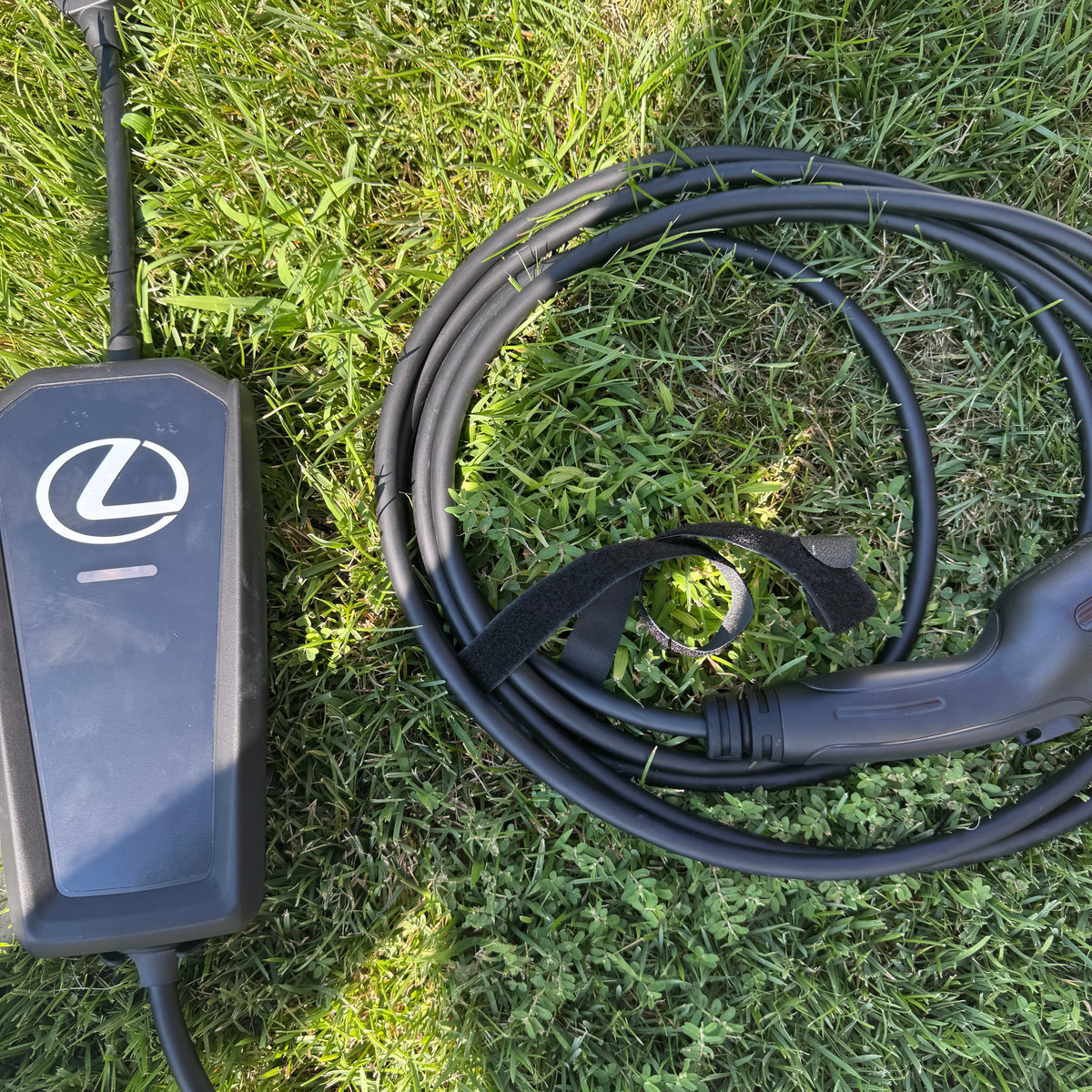 The electrical side, handledCircuit · connection · capacity · testing
A short first step
Capacity—not assumptions
Confirm the charger requirements, available panel space and a suitable circuit route.
For a qualifying loaded service, a compatible system such as the Siemens Inhab 60A Load Manager can manage EV demand when the home is using other large loads.
Recommend the larger electrical project only when equipment condition, space, capacity or future plans make it the appropriate path.
The connection is part of Seafield’s work
Where the charger uses a NEMA 14-50 connection, Seafield supplies and installs a device suited to continuous EV charging—not a light-duty range receptacle.
The selected charger connects directly to its dedicated circuit using the listed wiring method, conductor size and equipment settings.
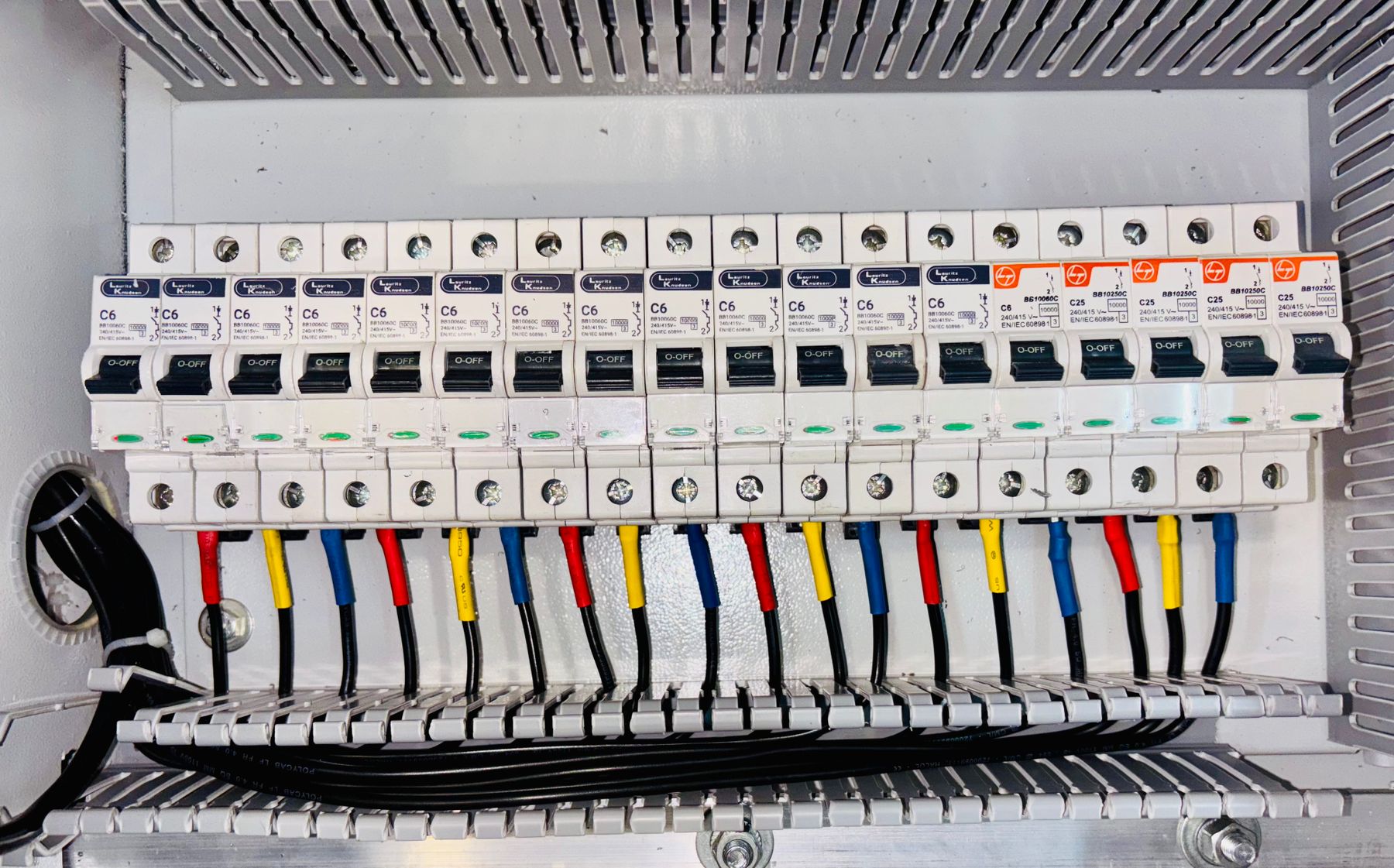 Behind the charger
A complete installation
Confirm the model, connection, listed circuit requirement and useful charging rate.
Review service rating, calculated load, panel condition, breaker compatibility and available spaces.
Plan the breaker, conductors, wiring method and physical path to the parking location.
Supply the EV-rated receptacle or install the charger’s listed hardwired connection.
Torque terminations to manufacturer specifications, match settings, label and test the installation.
A faster project review
Questions before an estimate
No. Seafield reviews the service rating, calculated load, panel space, existing equipment and selected charger first. Some homes can support the circuit as they are; others may be candidates for compatible load management or service work.
Sometimes. A 100-amp rating alone does not answer the question. Existing heating, cooling, cooking, laundry and other loads must be considered. Where the equipment and conditions qualify, an energy-management system such as the Siemens Inhab 60A Load Manager may manage EV demand instead of assuming an immediate service upgrade.
No. If the selected charger plugs in, Seafield supplies and installs the appropriate EV-charging-grade receptacle as part of the electrical scope. If it is hardwired, Seafield installs the listed connection required by the equipment.
Both can be appropriate. The charger instructions, output, location and homeowner preference determine the connection. Hardwiring reduces connection points; a receptacle can offer flexibility. Every connection must match the installed circuit and equipment listing.
A charger model or nameplate, the main breaker, the full panel, the route from panel to parking location and the parking area are the most useful photographs. If you are unsure what to photograph, send what you can and Seafield will identify the next step.
Detached garages require a separate site-specific review because trenching, a building feeder, conduit, disconnects and existing detached-building wiring can change the complete scope. This quick page focuses on chargers at the home, attached garage, exterior wall or carport.
Vehicle chosen. Electrical path next.