Resistance, damage or overload
Loose, over-tightened or corroded connections, damaged equipment, improper terminations and circuit mismatches can generate heat. Testing must confirm the cause before a repair is selected.

Electrical troubleshooting · Bay Shore + Suffolk County
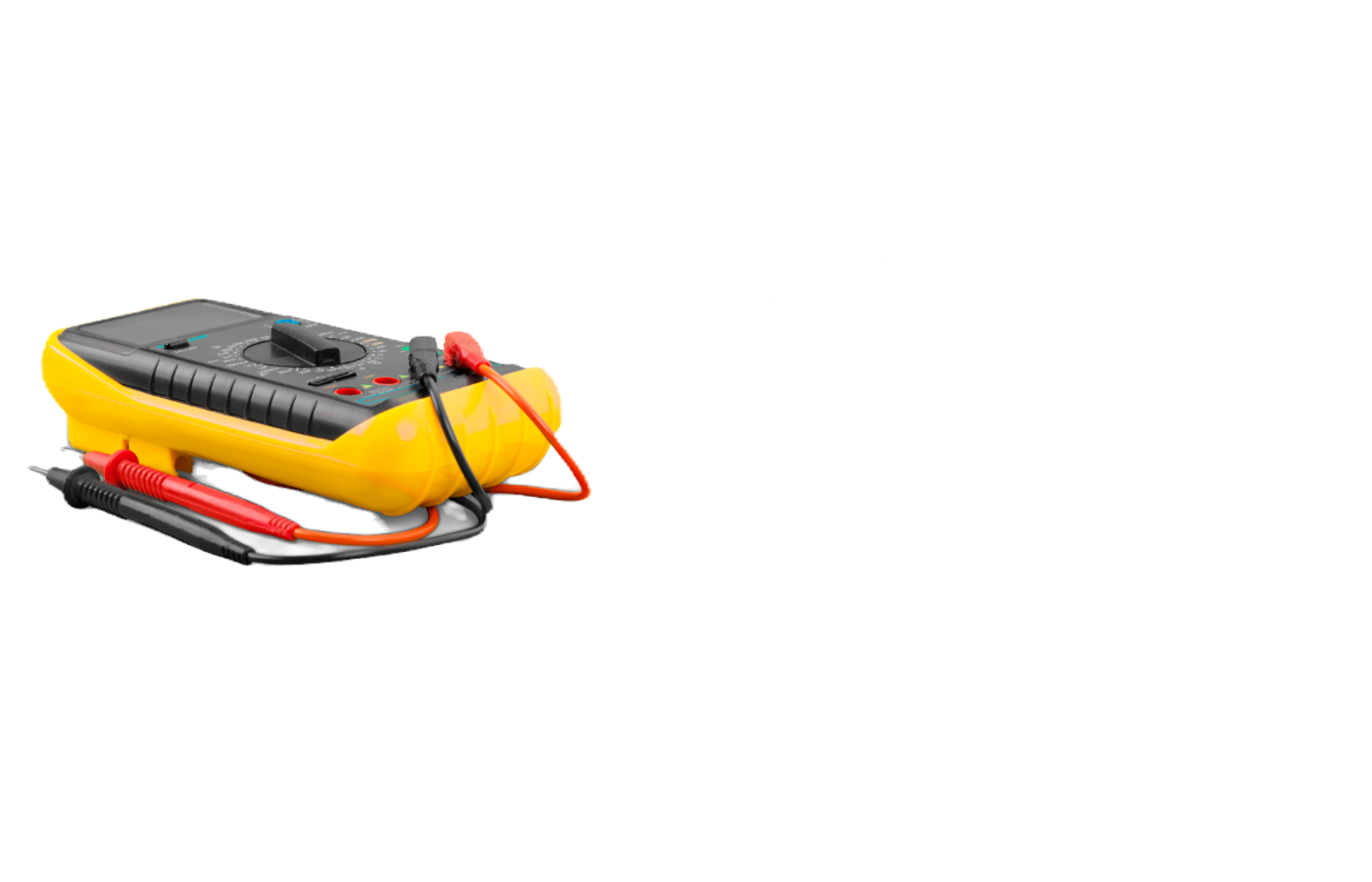 Diagnosis before repairMake safe · test · isolate · explain
Leave the area and call 911. Stay away from downed or damaged service conductors and contact the utility or 911. Do not open a panel or repeatedly reset a breaker.
Choose the closest warning sign
Not ready to call yet?
Loose, over-tightened or corroded connections, damaged equipment, improper terminations and circuit mismatches can generate heat. Testing must confirm the cause before a repair is selected.
Conductors touching, an undersized circuit, a deteriorating appliance, damaged wiring or a protective device responding to a fault can all trip a breaker.
The fault may be at the utility connection, service equipment, panelboard, device or another connection. Seafield separates the source before recommending work.
Flooding, leaks and property damage can energize unexpected materials and compromise equipment that looks normal. Keep clear until the location is made safe.
The Seafield troubleshooting process
Identify immediate hazards and keep affected equipment or circuits out of service where needed.
Review timing, affected rooms, equipment operating, weather, water and recent electrical or appliance changes.
Follow the symptom through accessible devices, connections, protection, panel and service conditions.
Separate the confirmed fault from related safety concerns and show what each correction solves.
Repair the immediate issue, organize broader corrections or compare service work only where it applies.
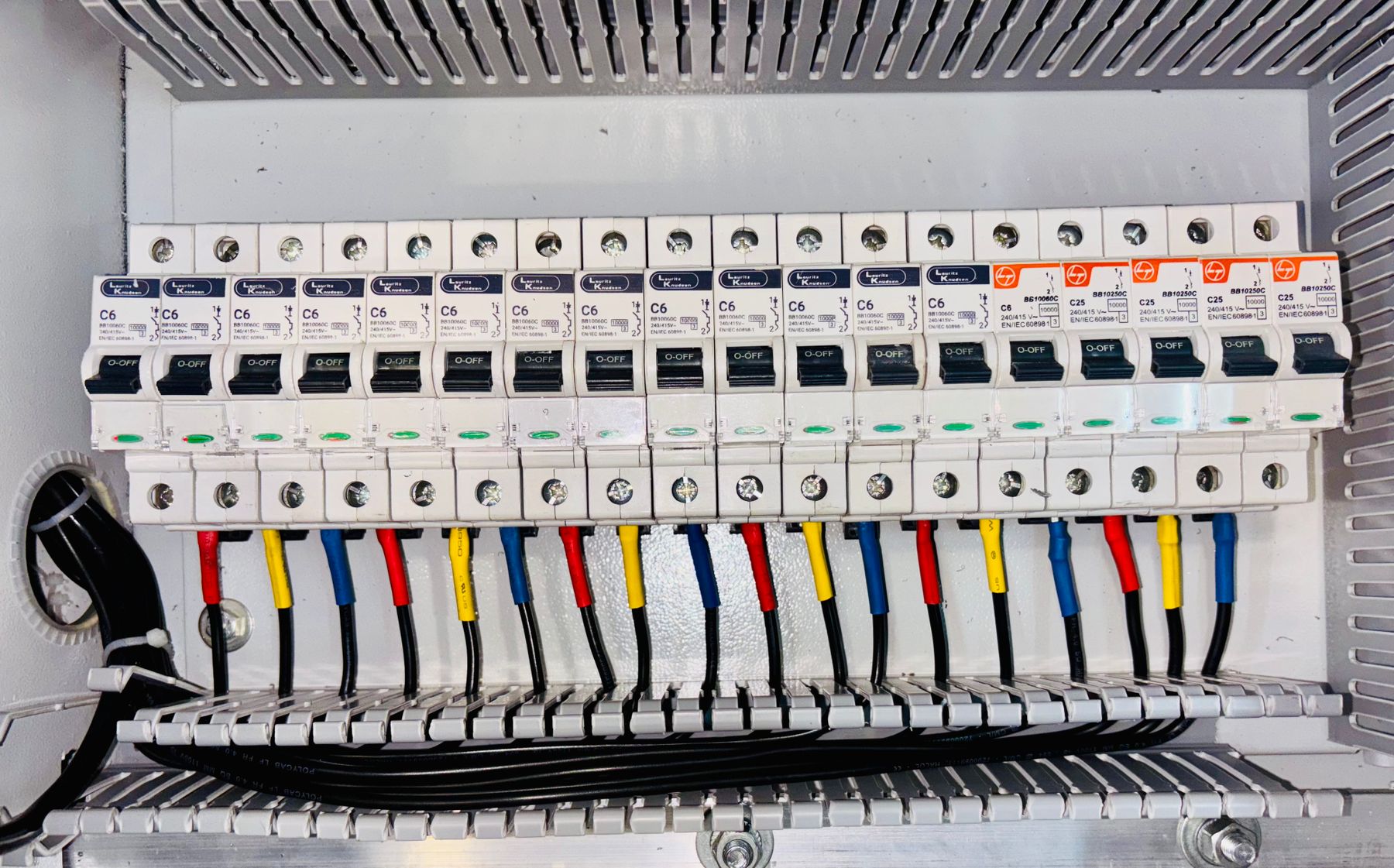 From symptom to finished correction
Repairs and safety corrections
Diagnose the active symptom and correct the confirmed device, circuit, connection or equipment concern.
Address receptacle pigtails, devices, covers, grounding verification, required labels, AFCI and GFCI protection.
Correct accessible damaged wiring, attic or closet concerns and unsuitable control wiring such as lamp cord.
Review and correct the smoke or combination-detector location and related wiring within the defined scope.
Evaluate service grounding and bonding, then compare targeted correction with a 200-amp upgrade only when condition or capacity supports it.
A quieter way to begin
Electrical safety questions
No. A breaker that trips again is indicating a condition that should be identified. Leave the affected circuit off when practical and do not open the panel. Active smoke, fire or immediate danger requires leaving the area and calling 911.
Possible causes include loose, damaged or corroded connections; incorrect terminations; excessive resistance; overload; damaged equipment; or a conductor and protective-device mismatch. The location must be made safe and tested before the cause can be confirmed.
Partial power can originate at the utility connection, service equipment, panel, a damaged device or a failed connection. Widespread bright-and-dim behavior or trouble affecting 240-volt equipment deserves prompt attention. Seafield separates utility-side conditions from interior faults before recommending a repair.
Keep clear and do not touch wet devices, wiring or panels. Water can energize surrounding materials and damage components that appear normal. Safe isolation and an electrical assessment must happen before affected equipment returns to service.
Yes, although intermittent faults can require staged testing or observation. Note when the symptom occurs, what equipment is operating and what recently changed. Safe photographs and a clear history can make the first review more useful.
No. Seafield verifies the existing service, equipment grounding, bonding and equipment condition first. Some concerns can be corrected directly; deteriorated or undersized service equipment may justify comparing a targeted repair with a complete service upgrade.
Clear information makes a safer first conversation.